



Estimated reading time at 200 wpm: 6 minutes
Welcome, dear reader, to the golden age of UK healthcare in England & Wales— a time of bold vision, decisive leadership, and the sort of strategic brilliance that can only be achieved when the primary design principle is “do more with less, then do less with less, then pretend it’s more again.”
Whether or not you agree our Fat Disclaimer applies
This is the era in which “workforce reprofiling” strides proudly onto the stage, wearing the emperor’s finest invisible clothes, and assures us that the NHS is not being cut, merely “optimised.”
Workforce reprofiling: The art of rearranging the deckchairs
How to make a cut sound like a promotion
The genius of workforce reprofiling lies in its linguistic alchemy. A Band 7 nurse is not being downgraded to Band 6 — no, they are being “realigned to a more sustainable pay structure.” A consultant post is not being left vacant — it is “transitioning to a flexible skill mix model.”
The patient, of course, will notice no difference, except for the small matter of longer waits, fewer specialist staff, and the creeping suspicion that their care is now being delivered by someone whose training consisted of a YouTube video and a laminated flowchart.
The skill mix miracle
Why have one highly trained, expensive clinician when you can have three cheaper, less experienced staff sharing the role like a relay team? It’s the perfect solution: the patient gets to meet more people, the rota looks full, and the budget spreadsheet glows with the warm light of “efficiency savings.”
The consultation process: Theatre at its finest
The illusion of engagement
No major service change is complete without a “consultation period” — a thrilling fortnight in which staff are invited to share their views, which will be carefully collated, summarised, and filed directly into the “noted but irrelevant” folder.
The final decision, naturally, will be exactly the same as the one announced before the consultation began, but now it will be accompanied by a glossy PDF explaining how “stakeholder feedback” was “considered.”
Case study in ‘optimisation’
In one NHS trust, long‑serving medical secretaries (Band 4) were told their jobs would be “re‑titled” as pathway assistants and downgraded to Band 3 — despite the duties being identical. Staff were “encouraged” to apply for alternative Band 4 roles that bore no resemblance to their current work.
The kicker? Salary protection applied only because the downgrade was “through no fault of their own,” and the union had already signed off the change after “proper consultation” — a reminder that in a highly unionised system, collective agreements can alter terms for all staff, whether or not they’re members.
Translation: the job still exists, the work hasn’t changed, but the title and pay have — and the process is officially “in the correct manner.”
The public meeting
A true highlight of the process is the public meeting, where concerned citizens can express their outrage in a controlled environment, while senior managers nod sympathetically and explain that “difficult decisions” are necessary to “protect the future of the service.” Translation: the cuts are happening, but we’d like you to feel heard while they do.
The financial masterstroke
Efficiency savings: The magic beans of policy
In the enchanted world of NHS finance, “efficiency savings” are the magic beans that will grow a beanstalk to the land of sustainable healthcare. Unfortunately, the beanstalk is made of paper, the giant at the top is an outsourcing company, and the goose that lays the golden eggs has been sold to cover the cost of the last CQC inspection.
Capital investment: The mirage on the horizon
Yes, the hospital roof is leaking, the MRI machine is older than most of the staff, and the IT system still runs on Windows XP, but fear not — there is a “capital investment plan” in place. It will be implemented in the year 2043, subject to funding, planning permission, and the survival of the NHS as a concept.
The human cost, politely ignored
Morale: The silent casualty
Staff morale is not measured in the official metrics, which is fortunate, because it is currently somewhere between “exhausted” and “feral.” The workforce is told to embrace “resilience” — a word which here means “continuing to function despite being systematically undermined.”
Retention: The revolving door
Why invest in retaining experienced staff when you can simply let them burn out, leave, and replace them with new recruits who will work for less and take a few years to realise the game is rigged? It’s a self-sustaining cycle, like a hamster wheel, except the hamster is also expected to cover two wards and complete mandatory e-learning on its lunch break.
The official narrative versus reality
The official narrative
We are “transforming services to meet the needs of the 21st century patient.” We are “empowering staff to work at the top of their licence.” We are “delivering care closer to home.”
The reality
We are cutting posts, downgrading roles, and shifting work onto whoever is left standing. We are replacing specialist expertise with generalist goodwill. We are delivering care closer to home because the hospital bed you needed has been closed.
The admin paradox: Cutting the glue that holds it together
The myth of the unnecessary administrator
In the grand tradition of false economies, NHS admin staff are often portrayed as surplus to requirements — clipboard-wielding bureaucrats who do little but shuffle paper. The reality? They are the ones who ensure patients are booked, records are accurate, referrals are processed, and clinicians aren’t drowning in paperwork.
Cutting admin is like removing the bolts from a bridge to save weight. It looks leaner until it collapses.
The cost of chaos
When admin teams are slashed, the burden doesn’t disappear — it migrates. Clinicians spend hours on clerical tasks, appointments go unbooked, letters go unsent, and patients fall through the cracks. The system doesn’t become more efficient; it becomes more chaotic, just with fewer people to blame.
Conclusion: The triumph of presentation over substance
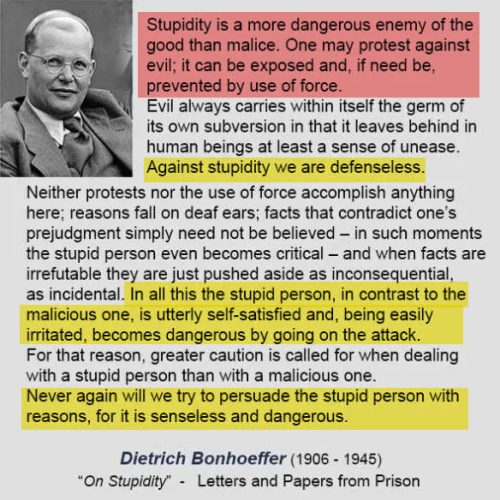
Workforce reprofiling is not just a policy — it is a performance art. It is the delicate craft of making austerity look like innovation, of turning cuts into “opportunities,” and of ensuring that the official record reads like a success story while the lived reality tells a very different tale.
And so the show goes on: the press releases sparkle, the strategy documents hum with optimism, and the frontline staff quietly get on with holding the whole thing together with duct tape, goodwill, and the faint hope that one day, someone will call this what it really is. is.